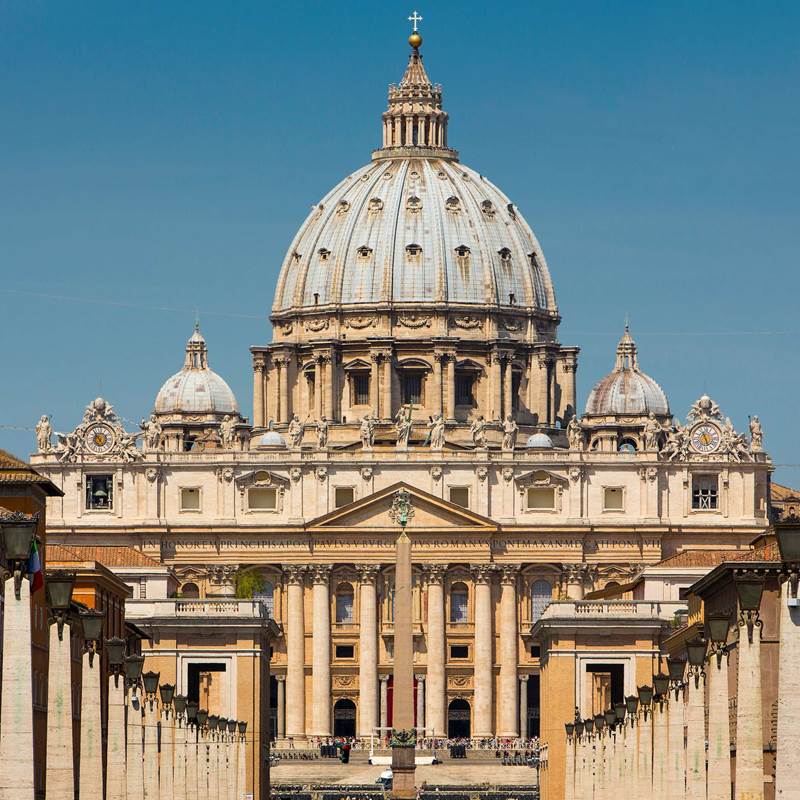
St. Peter's Basilica
A Renaissance basilica whose scale, art and architecture make it a defining part of a Vatican visit.
Find out moreAn editorial guide for visits shaped by art, architecture and context.

An editorial guide to the Vatican
Begin with the essential spaces: museum galleries, Renaissance rooms, Saint Peter's Basilica and the quieter details that give a visit its shape.
Understand how the museums, chapel, basilica and square connect before setting out.
Use these guides to give more attention to the places that matter most to you.
Build a practical itinerary with time for entry procedures, transitions and observation.
Vatican highlights
Each guide offers a concise introduction to a distinctive part of Vatican City, from familiar landmarks to spaces that reward a more considered route.
A Renaissance basilica whose scale, art and architecture make it a defining part of a Vatican visit.
Find out more:max_bytes(150000):strip_icc()/sistine-chapel-allegri-miserere-56a153c53df78cf77269ab3e.jpg)
A culminating space in the museum route, best approached with an understanding of its artistic and ceremonial role.
Find out more
A vast sequence of collections where sculpture, antiquity and Renaissance painting unfold across many galleries.
Find out more
Bernini's grand oval piazza frames the basilica and provides a useful point of orientation for the wider site.
Find out more
Designed landscapes that offer a different perspective on the Vatican's grounds, subject to published access arrangements.
Find out more
Four rooms whose frescoes place Raphael's work at the centre of a richly layered museum itinerary.
Find out moreA celebrated spiral design associated with Vatican architecture and the museum's long architectural history.
Find out more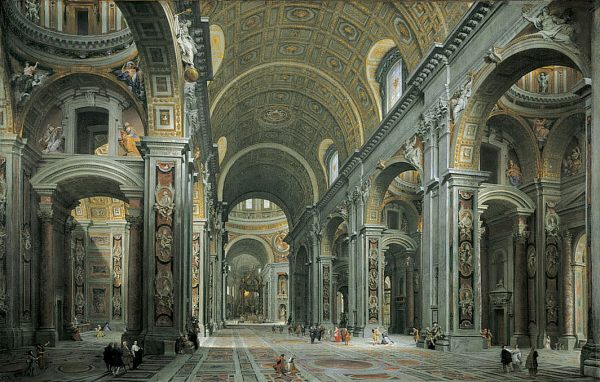
An archaeological area beneath the basilica, approached through carefully managed access and advance planning.
Find out more
A visit with a clear shape
The Vatican is best understood as a connected set of collections, sacred spaces and architectural settings. Start with your main interest, then allow the route to reveal the relationships between them.
How to use this guide
Decide whether your priority is the museums, the basilica, the gardens or a wider overview of Vatican City.
Use the individual pages to understand the significance of each place and its relationship to the route.
Opening arrangements, entry procedures and route conditions should be confirmed before you finalise plans.
Allow time to arrive, move between stages and spend longer with the works and spaces that hold your attention.
Before you go
A little preparation helps turn a list of landmarks into a more coherent and rewarding visit.
The Vatican Museums, Sistine Chapel, Saint Peter's Basilica and Saint Peter's Square provide a strong starting framework. The best order depends on your available time and current access arrangements.
They are distinct places with separate access and routing considerations. A visit format may connect them where conditions permit, but it is useful to plan for each as its own stage.
Garden access follows specific published arrangements. Check the latest conditions before building the gardens into an itinerary.
Knowing the rooms' place within the palace and museum route helps give their frescoes greater context when you encounter them in person.
Access and viewing arrangements can vary. Treat it as an architectural highlight to look for rather than a guaranteed stop on every route.
Review the morning, afternoon, private and combined Rome visit pages to compare their published outlines and practical notes.